Unveiling More "H" Fruits: A Journey into Exotic Flavors and Hidden Gems
Welcome back to our continuing exploration of the fascinating world of fruits that start with H! In fruits that start with h - Article 1, we began our delightful journey, discovering some of the more familiar and perhaps some surprising contenders. Now, in Article 2, we delve even deeper, venturing into the realm of the exotic, the wild, and the up-and-coming superfoods that all share that distinctive initial 'H'. Prepare to expand your palate and knowledge as we uncover more incredible fruits that start with H, each offering unique flavors, textures, and health benefits.
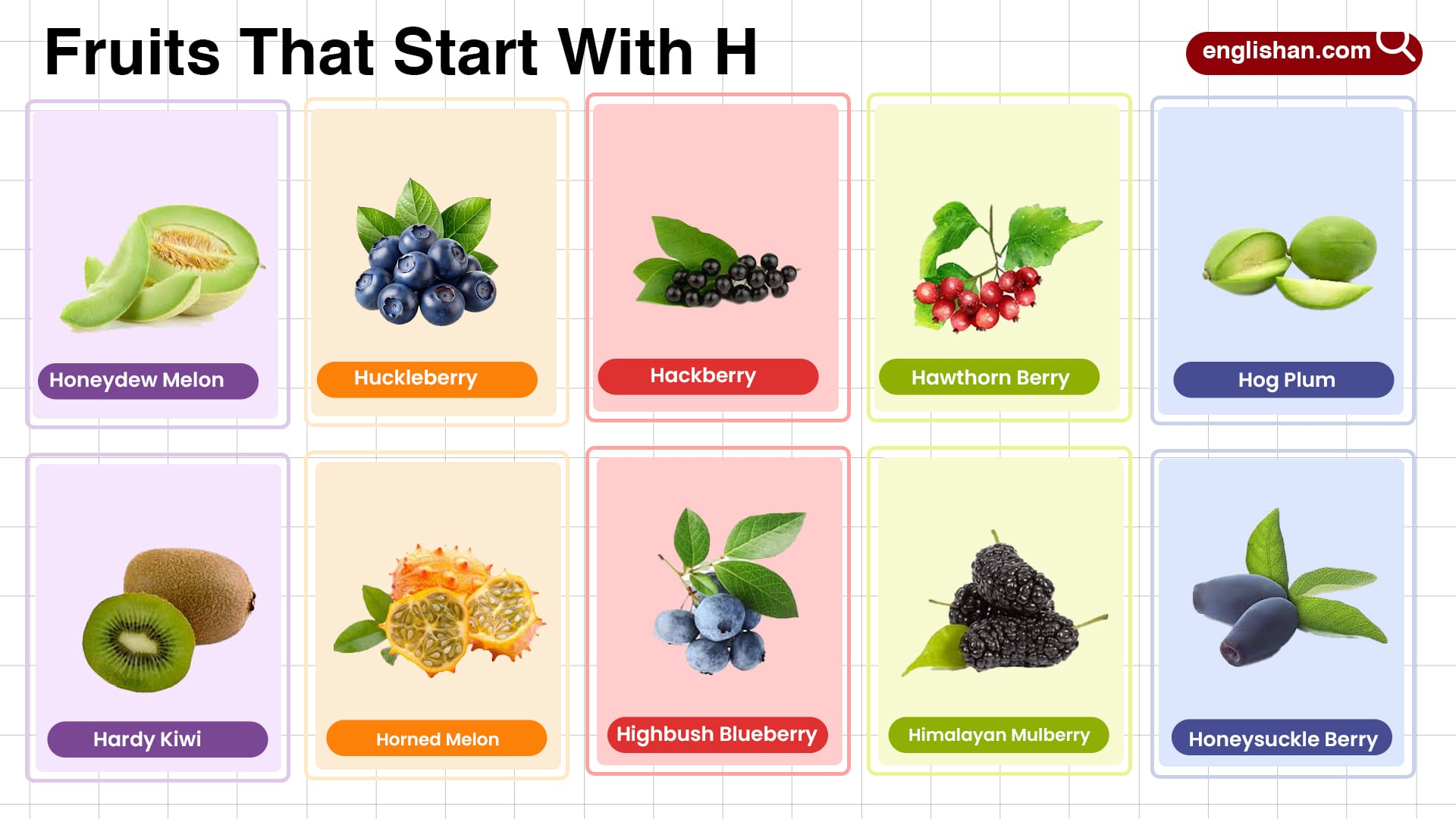
The Intriguing Horned Melon (Kiwano)
Imagine a fruit that looks like it stepped out of a science fiction movie – that's the Horned Melon, often known as Kiwano. Native to Africa, this striking fruit is an absolute showstopper. Its bright orange, spiky exterior gives way to a vibrant green, jelly-like flesh studded with edible seeds. The taste profile of the Horned Melon is as unique as its appearance, often described as a subtle blend of cucumber, zucchini, kiwi, and banana, with a slightly tart finish.
- Origin and Appearance: Hailing from the Kalahari Desert, the Horned Melon is also cultivated in California, New Zealand, and Australia. Its firm, pointed horns are a protective mechanism, and its color deepens from green to orange as it ripens.
- How to Enjoy: To eat a Horned Melon, simply slice it in half and scoop out the pulp with a spoon. It's excellent on its own, added to fruit salads, or blended into smoothies. Its mild flavor makes it a versatile ingredient for both sweet and savory dishes, providing a refreshing crunch and a boost of hydration.
- Nutritional Snapshot: Kiwano is a good source of vitamins C and A, magnesium, and iron. It's also rich in antioxidants, which help combat oxidative stress in the body. Furthermore, its high water content makes it incredibly hydrating.
The Wild Charm of Huckleberries
For those who love the taste of wild berries, Huckleberries are a true treasure among fruits that start with H. Often mistaken for blueberries, huckleberries are typically smaller, darker, and possess a more intense, tart-sweet flavor profile. These elusive berries grow wild in mountainous regions of North America, particularly the Pacific Northwest, and are notoriously difficult to cultivate commercially, making them a sought-after seasonal delight.
- Species Diversity: There are several species of huckleberries, including black huckleberry (Gaylussacia baccata) and various types of Vaccinium species, which are closely related to blueberries. Each offers subtle variations in flavor and size.
- Seasonal Foraging: Huckleberry season typically runs from mid-July to September, depending on the region and elevation. Foraging for huckleberries is a beloved tradition for many, requiring patience and a keen eye for these small, jewel-toned berries.
- Culinary Uses: Huckleberries shine in pies, jams, muffins, and sauces. Their robust flavor holds up well to cooking, infusing dishes with a taste of the wild. They are also delicious fresh, sprinkled over yogurt or cereal, or simply enjoyed by the handful.
- Health Benefits: Like their blueberry cousins, huckleberries are bursting with antioxidants, especially anthocyanins, which give them their deep color. They are also a good source of fiber, vitamin C, and vitamin K, contributing to heart health, immune support, and bone strength.
Discovering the Superfood Honeyberry (Haskap)
An emerging superfood gaining significant attention, the Honeyberry, also known as Haskap, is a relatively new player in the Western fruit market but has a long history in Asian and Eastern European cultures. These elongated, blue-purple berries are one of the earliest fruits to ripen in spring, often appearing before strawberries. Their flavor is a delightful blend of blueberry, raspberry, and blackcurrant, with a distinctive sweet-tart punch.
- Origin and Resilience: Native to northern latitudes, Honeyberries (Lonicera caerulea) are incredibly cold-hardy, thriving in climates where other berries struggle. This makes them an exciting prospect for growers in colder regions.
- Taste Profile: The unique flavor profile – often described as having notes of plum or grape – makes them exceptionally versatile. Early varieties tend to be tart, while newer cultivars are bred for sweetness, making them palatable fresh.
- Nutritional Powerhouse: Honeyberries are packed with an impressive array of nutrients. They boast significantly higher levels of antioxidants (especially anthocyanins), vitamin C, and fiber compared to blueberries. They are also a good source of manganese and iron. This makes them a true superfruit for boosting overall health and wellness.
- How to Use: Enjoy Honeyberries fresh off the bush, or incorporate them into smoothies, jams, jellies, pies, and sauces. Their vibrant color and intense flavor make them a fantastic addition to desserts and savory dishes alike. Their high pectin content also makes them excellent for preserving.
Beyond the Bite: Nutritional Powerhouses Among "H" Fruits
Our journey through fruits that start with H continues to reveal a bounty of healthful options. From the exotic Horned Melon to the wild Huckleberry and the burgeoning Honeyberry, these fruits offer more than just unique flavors; they are concentrated sources of essential nutrients that contribute significantly to a healthy diet. Whether you're seeking to boost your antioxidant intake, increase your fiber consumption, or simply enjoy a hydrating and low-calorie snack, these fruits deliver.
- Antioxidant Riches: A common thread among many 'H' fruits, particularly huckleberries and honeyberries, is their high antioxidant content. These compounds are crucial for fighting free radicals in the body, which can damage cells and contribute to chronic diseases. Consuming a diet rich in antioxidants supports cellular health and may reduce the risk of various ailments.
- Vitamin C Boost: Fruits like the Horned Melon and Honeyberry are excellent sources of Vitamin C, a powerful immune-boosting vitamin that also plays a vital role in skin health, collagen production, and iron absorption.
- Fiber for Digestive Health: Most fruits, including those starting with H, are good sources of dietary fiber. Fiber is essential for maintaining a healthy digestive system, regulating blood sugar levels, and promoting a feeling of fullness, which can aid in weight management.
- Mineral Support: Depending on the specific fruit, you can find various important minerals. Horned Melons provide magnesium and iron, while Honeyberries offer manganese, all crucial for numerous bodily functions, from bone health to energy production.
Incorporating a diverse range of fruits into your diet is a cornerstone of good nutrition, and exploring unique options like these can make healthy eating exciting. If you're looking for more ways to incorporate healthful fruits into your lifestyle, remember to check out fruits that start with h - Article 1 for even more inspiration.
Cultivating Your Palate: Sourcing and Enjoying "H" Fruits
While some fruits that start with H, like Honeydew, are widely available, others, such as the Horned Melon, Huckleberry, and Honeyberry, might require a bit more effort to find. However, the unique experience they offer is well worth the search.
- Specialty Grocers and Asian Markets: For exotic fruits like the Horned Melon, your best bet is often larger specialty grocery stores, international markets, or Asian supermarkets. They typically have a broader selection of unusual produce.
- Farmers' Markets and Local Growers: Huckleberries and Honeyberries, being more niche or wild, are frequently found at local farmers' markets, especially in regions where they grow naturally. Connecting with local growers can also lead you to these seasonal gems. Some small-scale farms are now cultivating Honeyberries due to their hardiness and health benefits.
- Online Retailers: For processed forms like huckleberry jam or frozen honeyberries, online specialty food retailers can be a good resource, particularly outside of their natural growing seasons.
- Selecting Ripe Fruits:
- Horned Melon: Look for a vibrant orange color and firm but slightly yielding skin. Avoid fruits with soft spots or mold.
- Huckleberry: These small berries should be plump, dark, and firm. Avoid bruised or shriveled berries.
- Honeyberry: Choose berries that are deep blue-purple, plump, and firm. Overripe honeyberries can become quite soft.
- Storage Tips: Most fresh fruits, including these 'H' varieties, are best stored in the refrigerator. Horned Melons can last a few weeks, while huckleberries and honeyberries should be consumed within a few days or frozen for longer storage.
Don't be afraid to experiment with these unique additions to your diet. The joy of discovering new flavors and textures is an integral part of culinary exploration. As you continue your fruit-filled adventure, remember that there's even more to uncover. Stay tuned for our next installment where we'll delve into even more incredible options in fruits that start with h - Article 3!
Conclusion
Our journey through the world of fruits that start with H has taken us from the visually stunning Horned Melon to the intensely flavored Huckleberry and the nutrient-dense Honeyberry. Each of these fruits offers a unique sensory experience and a wealth of health benefits, proving that the alphabet holds many delicious and nutritious surprises. Exploring these less common fruits enriches not only our diets but also our understanding of global biodiversity and culinary possibilities. We hope this article has inspired you to seek out and savor these remarkable 'H' fruits, adding new dimensions to your healthy eating habits. Keep an eye out for our next article, where we'll continue to unravel the wonders of fruits beginning with this intriguing letter!
