Unveiling More Hidden Gems: A Deeper Dive into Fruits That Start with H
In our continuing exploration of the alphabet's fruity treasures, we arrive once again at the letter 'H'. While Article 1 and Article 2 may have introduced you to some of the more common and delightful members of this group, the world of produce is vast and full of surprises. This article aims to delve even deeper, bringing to light more fascinating fruits that start with h, highlighting their unique characteristics, nutritional value, and how you can enjoy them. Prepare to expand your palate and knowledge as we uncover more about these diverse and often overlooked culinary delights.
From refreshingly sweet melons to tart, antioxidant-rich berries and exotic tropical finds, the range of fruits that start with h offers something for every taste and occasion. Understanding their origins, benefits, and uses can enrich your diet and add exciting new flavors to your culinary repertoire. Let's embark on this journey to discover what makes these 'H' fruits truly special.
Beyond the Familiar: Exploring Less Common Fruits That Start with H
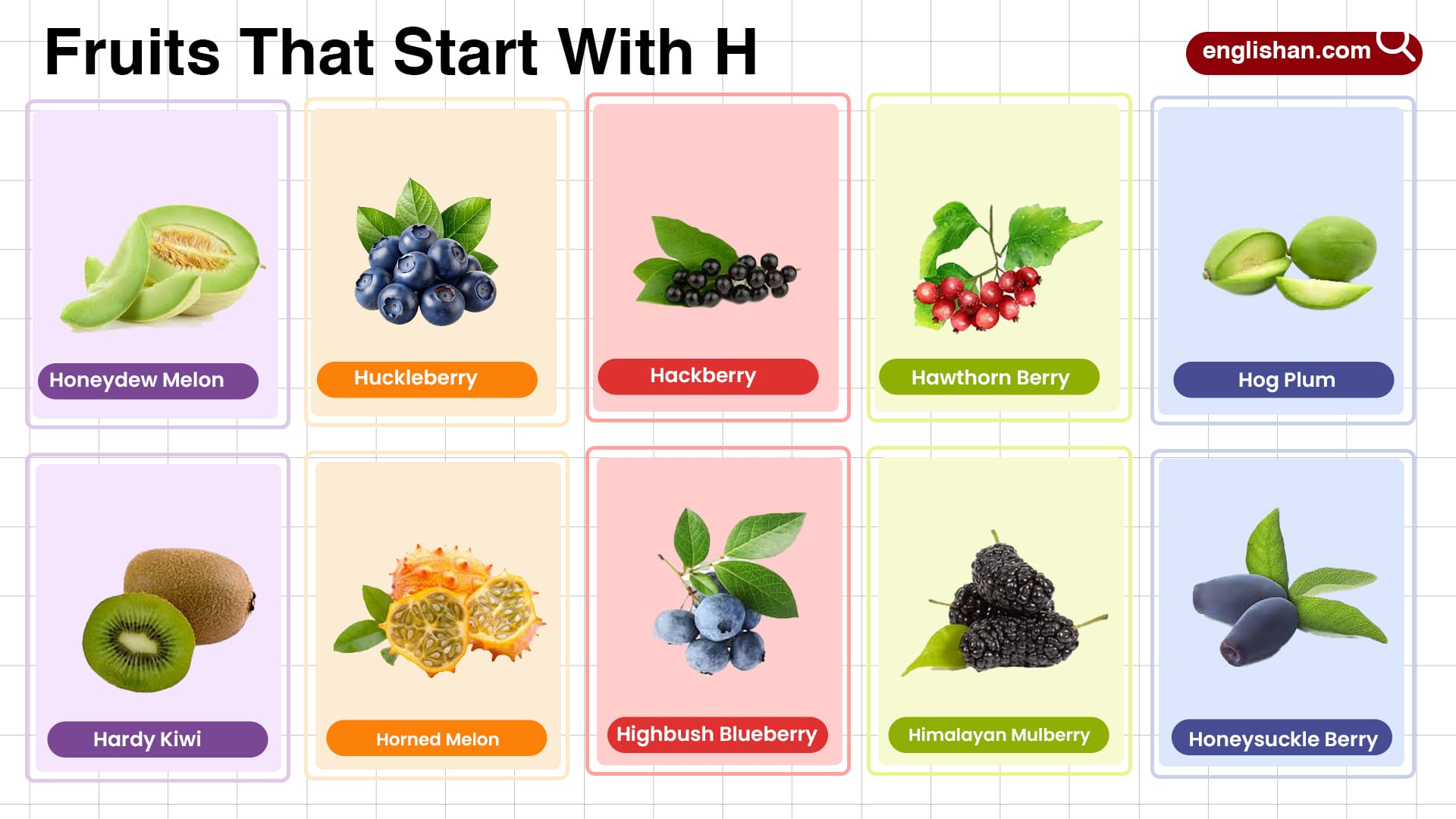
While honeydew melon might be a household name, and huckleberries a beloved wild fruit in certain regions, there are many other intriguing fruits that start with h that deserve recognition. These often come with unique flavor profiles, striking appearances, and impressive health benefits.
- Hawthorn Berry (Haw): Often found in hedgerows and traditional medicine, hawthorn berries are small, tart, and typically red or orange. While not commonly eaten raw due to their tartness and mealy texture, they are prized for their use in jams, jellies, wines, and teas. Rich in antioxidants, particularly flavonoids and proanthocyanidins, hawthorn has been traditionally used to support heart health. The plant itself, Crataegus, is a beautiful addition to a garden, offering delicate blossoms in spring and vibrant berries in autumn.
- Horned Melon (Kiwano): Also known as the African Horned Cucumber or Jelly Melon, this striking fruit truly lives up to its name with its spiky, orange rind. Inside, you'll find a vibrant green, jelly-like pulp speckled with edible seeds. Its flavor is a fascinating blend, often described as a mix of cucumber, zucchini, pineapple, and banana. Horned melons are a good source of Vitamin C, Vitamin A, and dietary fiber, making them both visually appealing and nutritious. They make a fantastic addition to fruit salads, smoothies, or simply scooped out and enjoyed fresh.
- Honeyberry (Haskap): An emerging superfood gaining popularity, honeyberries are elongated, dark blue berries with a sweet-tart flavor profile often compared to a cross between blueberry and raspberry, with a hint of honey. These berries are incredibly hardy, thriving in cold climates, and are packed with anthocyanins, polyphenols, and Vitamin C, contributing to their powerful antioxidant properties. They are delicious fresh, in desserts, jams, or even baked goods, offering a unique twist to traditional berry recipes.
- Hog Plum: This term refers to several species within the genus Spondias, primarily found in tropical regions. Hog plums are typically oval-shaped, green or yellow, and can have a sweet, tart, or slightly sour taste depending on the species and ripeness. Varieties like the Yellow Mombin (Spondias mombin) are enjoyed fresh, made into juices, or used in sauces and preserves. They are a good source of Vitamin C and provide a refreshing tropical tang.
The Nutritional Bounty of 'H' Fruits: Health Benefits You Shouldn't Miss
Beyond their diverse flavors and intriguing appearances, fruits that start with h offer a wealth of nutritional benefits that contribute significantly to overall health and well-being. Each fruit brings its unique set of vitamins, minerals, and phytonutrients to the table.
- Antioxidant Powerhouses: Many 'H' fruits, particularly hawthorn berries and honeyberries, are brimming with antioxidants like anthocyanins, flavonoids, and Vitamin C. These compounds are crucial for combating oxidative stress, protecting cells from damage caused by free radicals, and potentially reducing the risk of chronic diseases. Regular consumption can support a robust immune system and contribute to healthy aging.
- Digestive Health Boosters: Fruits like honeydew melon (though covered in previous articles, still relevant for its high water content) and horned melon provide significant amounts of dietary fiber and water. Fiber is essential for maintaining a healthy digestive system, promoting regularity, and preventing constipation. The high water content in many of these fruits also aids in hydration, which is vital for all bodily functions.
- Heart Health Support: Hawthorn berries are particularly noted for their traditional use in supporting cardiovascular health. Research suggests they may help improve blood flow, lower blood pressure, and strengthen heart muscle function. Incorporating such fruits into a balanced diet can be a delicious way to support a healthy heart.
- Immune System Fortifiers: High levels of Vitamin C, found in fruits like horned melon and hog plums, are well-known for their immune-boosting properties. Vitamin C is vital for the production of white blood cells, which are the body's primary defense against infections.
Incorporating 'H' Fruits into Your Culinary Adventures: Practical Tips
Now that you're familiar with these fascinating fruits that start with h, how can you best enjoy them? Here are some practical tips and serving suggestions to help you integrate them into your daily diet:
- Fresh and Raw:
- Horned Melon: Simply slice in half and scoop out the pulp with a spoon. Its unique flavor makes it a fantastic addition to fruit salads, yogurt, or as an intriguing garnish for cocktails.
- Honeyberry: Enjoy fresh straight from the bush (if you're lucky enough to grow them!) or add to breakfast cereals, oatmeal, smoothies, and fruit tarts. Their sweet-tartness is incredibly refreshing.
- Jams, Jellies, and Preserves:
- Hawthorn Berries: Their tartness and pectin content make them excellent for making homemade jams, jellies, and fruit leathers. They can also be infused into vinegar for a unique dressing.
- Honeyberry: Create delightful honeyberry jams or sauces that pair wonderfully with pancakes, ice cream, or even savory dishes like roasted duck.
- Hog Plum: In tropical regions, hog plums are often made into juices, preserves, or fermented into alcoholic beverages.
- Smoothies and Beverages:
- All of these 'H' fruits can be blended into vibrant and nutritious smoothies. Combine horned melon with a banana and a touch of honey for an exotic treat. Honeyberries blend beautifully with other berries and yogurt.
- Hawthorn berries can be dried and used to make a healthful tea.
- Desserts and Baking:
- Honeyberries are a fantastic substitute for blueberries or raspberries in muffins, pies, crumbles, and cheesecakes, offering a subtly different flavor profile.
- Consider adding diced horned melon to a tropical fruit salsa to serve with grilled fish or chicken for a surprising burst of flavor and texture.
Cultivating Curiosity: Growing Your Own 'H' Fruit Wonders
For the avid gardener or those with a green thumb, some of these fruits that start with h can be cultivated at home, offering the freshest possible produce and the satisfaction of growing your own food.
- Hawthorn: These hardy trees or large shrubs are relatively easy to grow and can be found in various species suitable for different climates. They prefer full sun and well-drained soil. Beyond their berries, they offer beautiful spring flowers and are excellent for wildlife.
- Honeyberry (Haskap): Known for their extreme cold hardiness, honeyberries are an excellent choice for gardeners in colder regions where other berries might struggle. They require cross-pollination, so planting at least two different varieties is recommended for a good harvest. They are relatively low maintenance and disease resistant.
- Horned Melon: This is an annual vine that thrives in warm climates, similar to cucumbers or squash. It needs plenty of sun and consistent moisture. Growing them on a trellis can save space and result in cleaner, more aesthetically pleasing fruits.
Before attempting to grow any exotic fruit, it's always wise to research the specific requirements for your local climate and soil conditions. Local nurseries or agricultural extension offices can provide invaluable advice.
From the heart-healthy hawthorn to the visually stunning horned melon and the antioxidant-packed honeyberry, the world of fruits that start with h is far richer and more diverse than many realize. By exploring these unique options, you not only introduce exciting new flavors and textures to your diet but also tap into a wide array of health benefits. So, next time you're at the market or planning your garden, keep an eye out for these incredible 'H' fruits and embark on a delicious adventure!
